

If your dog struggles with seasonal or food-related allergy symptoms, the right probiotic can help reduce flare-ups by improving gut-skin immune signalling and digestive tolerance. Choosing an allergy-focused probiotic matters because not every formulation targets the immune pathways or strains that research links to skin and allergy support. This guide shortlists the top options for dogs, explains the strain profiles and safety features that matter, and highlights practical dosing and form factors. Read on to find a veterinary-minded probiotic that fits your dog's size, sensitivity, and treatment plan.
Top Picks at a Glance
| Best Overall Allergy Probiotic A balanced, reliable choice that helps reduce allergy symptoms overall | Pro Plan FortiFlora Probiotic Powder |  |
| Best Budget Allergy Probiotic Affordable formula that still targets allergy-related gut support | SnazFirst Probiotics for Dogs |  |
| Best Premium Allergy Probiotic Higher-end formulation with advanced ingredients and quality control | Dinovite Probiotics for Medium Dogs 90-Day |  |
| Best High-Potency Allergy Probiotic Concentrated CFU count designed for stronger microbiome impact | Boops Pets Probiotics 60 Count |  |
| Best Multi-Strain Allergy Probiotic Combines several complementary strains for broader immune support | Nutramax Proviable Digestive Health Kit |  |
| Best Chewable Allergy Probiotic Treat-like format for easy daily dosing and picky dogs | Zesty Paws Dog Allergy Chews 90 Ct |  |
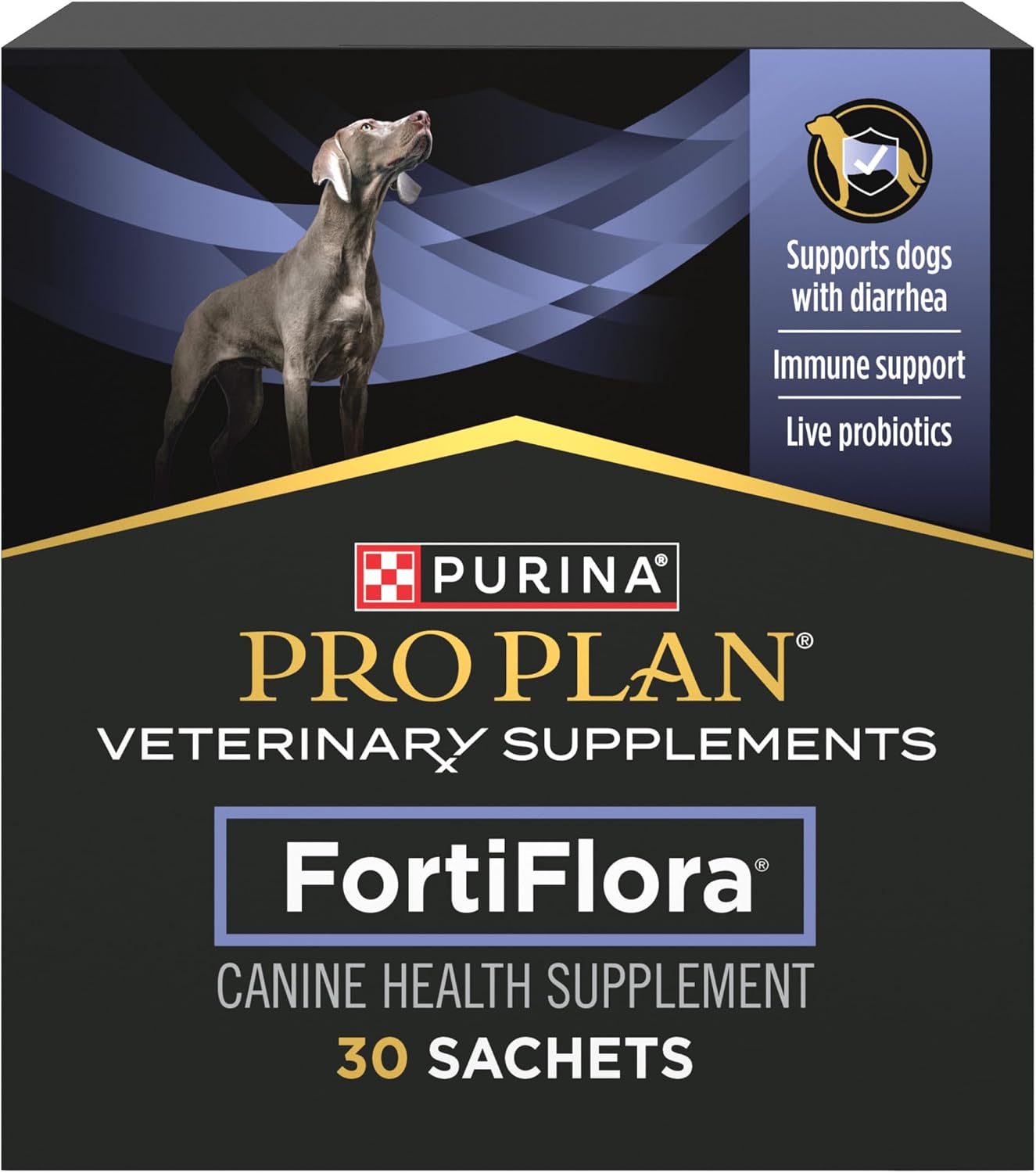
Pro Plan FortiFlora Probiotic Powder
Best Overall Allergy Probiotic
| Item Form | Powder |
|---|---|
| Flavor | Unflavored |
| Active Ingredients | Enterococcus Faecium SF68 1×10^8 CFU |
| Specific Uses For Product | Digestive Health; Gastrointestinal; Probiotics |
Purina Pro Plan FortiFlora is a single-serve powdered probiotic intended to be sprinkled on a dog's food to support intestinal microflora and help manage occasional diarrhea. Each packet delivers a guaranteed level of Enterococcus faecium SF68 and uses microencapsulation to preserve probiotic viability until it reaches the gut, plus antioxidants to support immune health. It is simple to dose—feed one packet daily or follow your veterinarian's instructions—so administration is quick for both puppies and adult dogs. The powder form is easy to mix into wet or dry food and is unflavored, relying on included liver flavoring to encourage acceptance. Practical limitations include small packet size that means you'll need to buy in multi-count boxes for long-term use and that it is a targeted digestive aid rather than a comprehensive multi-supplement for other conditions. For pet owners wanting a vet-trusted, easy-to-use probiotic focused on digestive balance, FortiFlora is a reliable, straightforward option.
Best for: Buyers who want a vet-endorsed, easy-to-dose probiotic to manage occasional digestive upsets and prioritize proven effectiveness and straightforward administration.
Less Ideal for: Owners seeking a broader daily multivitamin or joint-and-digestive combination supplement should consider products formulated for multiple concerns rather than a single-purpose probiotic.
- Veterinarian-recommended strain proven to promote normal intestinal microflora
- Microencapsulation for probiotic stability through the digestive tract
- Single-serve powder that is easy to sprinkle on food and simple to dose
- Formulated for both puppies and adult dogs and intended for occasional diarrhea management
- Small unit count per package requires frequent repurchasing for ongoing use
- Focused specifically on digestive support and not a multi-purpose supplement
Verdict: The best all-around allergy probiotic for most dog owners, offering a strong balance of clinically supported strains, stability, and tolerability to help manage itchy and allergic dogs.
SnazFirst Probiotics for Dogs
Best Budget Allergy Probiotic

| Form | Soft chews |
|---|---|
| Count | 150 chews |
| Target | Dogs (all life stages) |
| Active strains | 5 probiotic strains |
These SnazFirst probiotic chews deliver a multi-strain formula in a soft, chicken-flavored chew that makes daily dosing simple. Intended for day-to-day digestive support, the product is typically given as a treat to help rebalance gut flora, firm loose stool, soften hard stool, and reduce symptoms linked to food sensitivities such as itchy skin and ears. The formula highlights five active probiotic strains plus prebiotic ingredients like inulin and pumpkin to support nutrient absorption and immune health. A practical benefit is the large bottle size—150 chews—so households needing long-term maintenance can buy less often. The chews are positioned as gentle enough for puppies, seniors, and sensitive stomachs and avoid artificial colors and preservatives. Limitations: the listing does not provide CFU counts or strain-by-strain dosing, which makes comparing potency to veterinary products harder, and specific clinical claims are not evaluated by regulators. For owners wanting an affordable, easy-to-administer probiotic chew for routine support, this is a straightforward option; those seeking precise clinical dosing or veterinarian-prescribed products should look elsewhere.
Best for: Owners who prioritize straightforward, daily digestive support at an entry-level cost and prefer an easy-to-administer chewable supplement their dog will accept.
Less Ideal for: Pet owners who need veterinarian-prescribed formulations or exact CFU/strain dosing for medical conditions should consider clinical or prescription options instead.
- Soft, chicken-flavored chews that dogs readily accept
- Contains five probiotic strains plus prebiotic ingredients for gut support
- Formulated for all life stages including puppies and seniors
- Large 150-count bottle suitable for long-term maintenance
- No artificial colors, flavors, or preservatives listed
- Product listing does not state total CFU or detailed strain amounts
- Clinical claims are not evaluated by regulatory authorities
Verdict: The best budget allergy probiotic for owners who need an effective, low-cost option that still provides meaningful strain selection and symptom support without premium pricing.
Dinovite Probiotics for Medium Dogs 90-Day
Best Premium Allergy Probiotic

| Item Form | Powder |
|---|---|
| Active Ingredients | prebiotics |
| Dog Breed Size | Large |
| Supply Duration | 90 Days |
| Unit Count | 1 Count |
Dinovite Probiotics is a daily powdered topper designed for medium dogs that combines probiotics and prebiotics with omega fatty acids, zinc, and vitamin E to support digestion, skin and coat, and immune function. You scoop the powder onto wet or dry food once per day (or split the scoop between meals) and the brand recommends a gradual ramp-up for first-time use to minimize digestive upset. The formula's strengths are its multi-pronged approach—probiotics for gut balance, omegas for skin barrier and coat shine, and antioxidant minerals for immune support—making it practical for dogs with seasonal sensitivities or chronic itch and shedding. The powder format mixes easily and includes a scoop sized for dosing, and Dinovite flags clean ingredient sourcing without common fillers like wheat, soy, corn, or dairy. Limitations are that results are gradual; the copy notes 4–6 weeks for initial improvement and up to 90 days for full benefit, and owners seeking an immediate medicated intervention for severe allergies will still need veterinary guidance. The 90-day supply sizing and daily routine suit committed owners prioritizing ingredient quality and a holistic route to allergy relief.
Best for: Owners willing to invest in a higher-quality daily supplement who want a single product that targets gut health and skin support as part of a longer-term allergy management plan.
Less Ideal for: People seeking immediate relief for severe allergic reactions or those who prefer prescription medications or one-time treatments rather than daily nutritional supplementation.
- Combination of probiotics, prebiotics and omega-3/6 supports gut health and skin from the inside out
- Formulated to address digestion, skin & coat, and immune support in one daily scoop
- Made without common fillers like wheat, soy, corn, or dairy and produced in the USA
- Powder topper is easy to mix into wet or dry food and includes a dosing scoop
- Requires consistent daily use and several weeks to see full benefits
- Not a fast-acting medicated treatment for acute allergy flares
Verdict: The best premium allergy probiotic for owners willing to invest in superior ingredient sourcing, enhanced formulations, and rigorous quality standards to maximize allergy relief potential.
Boops Pets Probiotics 60 Count
Best High-Potency Allergy Probiotic

| Unit Count | 60 Count |
|---|---|
| CFU per serving | 30 Billion |
| Strains | 12-strain blend |
| Form | Freeze-Dried Chew |
| Suitable Ages | Dogs 12+ weeks |
Boops Pets Probiotics is a high-potency daily soft chew designed to rebalance a dog's gut flora and help with digestive upset and yeast-related skin issues. Each serving supplies 30 billion CFUs from a 12-strain, human-grade probiotic blend plus prebiotic fiber, a postbiotic yeast complex, digestive enzymes, and pumpkin to support digestion, reduce occasional loose stools, and help soothe paw licking and itching tied to yeast. The freeze-dried chews are flavored like filet mignon, which makes dosing straightforward for picky dogs, and dosing guidance scales by weight so you can start low and ramp up. Practical benefits include a multi-pronged approach (probiotics plus enzymes and pre/postbiotics) that aims for faster symptom relief than single-strain, low-CFU products. Limitations to note are that results with chronic or severe infections will require veterinary diagnosis and treatment, and potency claims rely on proper storage and handling to preserve CFU viability. For dogs already on other supplements check for ingredient overlap before combining products.
Best for: Owners seeking an aggressive, high-CFU probiotic to more quickly rebalance gut flora and address occasional loose stools or yeast-related itching in their dogs.
Less Ideal for: Dogs with diagnosed systemic infections or conditions that require prescription antimicrobials should follow veterinary treatment plans instead of relying solely on an over-the-counter probiotic.
- Very high potency at 30 billion CFUs per serving for stronger microbial support
- Multi-strain human-grade formula with prebiotics, postbiotics, and digestive enzymes for comprehensive gut support
- Filet mignon flavored freeze-dried chews that are easy to give to picky eaters
- Weight-based dosing instructions let you start with smaller amounts and increase safely
- Not a substitute for veterinary care for chronic yeast or severe GI conditions
- Shelf stability depends on storage; improper handling can reduce live culture counts
Verdict: The best high-potency allergy probiotic for dogs that may benefit from a higher colony-forming unit (CFU) dose to more aggressively rebalance gut flora tied to allergic responses.
Nutramax Proviable Digestive Health Kit
Best Multi-Strain Allergy Probiotic

| Item Form | Capsule, Paste |
|---|---|
| Active Ingredients | kaolin, pectin, prebiotics |
| Volume | 30 ml |
| Dog Breed Size | Large |
Proviable Diarrhea Support Kit combines multi-strain probiotic capsules with a 30 mL oral paste designed to firm loose stool and soothe the gastrointestinal tract. The capsules deliver several strains of beneficial bacteria and prebiotics that can be sprinkled over food for daily or short-term support, while the flavored paste provides quick, targeted symptom relief for acute diarrhea. Its clinically researched formulation and clear dosing directions make it practical for owners dealing with digestive upsets related to diet changes, stress, or mild sensitivities. The kit is convenient to administer and useful as a short rescue treatment followed by continued capsule support to help reestablish a healthy gut microbiome. It is not intended as a prescription treatment for severe or chronic conditions, and the paste dosing is for a limited 48 to 72 hour window, so veterinary guidance is important when symptoms persist or are severe.
Best for: Owners seeking a broad-spectrum, multi-strain probiotic strategy to support gut and immune aspects related to allergies who want a convenient kit that covers immediate symptom control and short-term microbiome support.
Less Ideal for: Owners managing severe, chronic, or complex gastrointestinal disorders who need prescription treatments or ongoing veterinary-directed therapy.
- Multi-strain capsule formula with multiple documented bacterial strains and prebiotics.
- Includes an oral paste with kaolin and pectin for rapid firming of loose stool.
- Capsules are easy to sprinkle over food for simple daily administration.
- Clinically researched product from a veterinarian-recommended brand.
- Paste is intended only for 48 to 72 hours, so not a long-term solution for diarrhea.
- Not formulated as a prescription-level treatment for severe gastrointestinal diseases.
Verdict: The best multi-strain allergy probiotic for owners who prefer a broad-spectrum approach, where diverse probiotic strains target multiple aspects of gut and immune health linked to allergies.
Zesty Paws Dog Allergy Chews 90 Ct
Best Chewable Allergy Probiotic

| Flavor | Lamb |
|---|---|
| Item Form | Soft Chew |
| Active Ingredients | Colostrum, EpiCor fermentate, Apple Cider Vinegar, Astragalus, 5-Strain Probiotic Blend |
| Unit Count | 90 Count |
Zesty Paws Dog Allergy Chews are daily soft chews designed to reduce itching and support immune and digestive health in dogs. They are given as a tasty treat once or twice daily depending on weight, and include active ingredients like colostrum, EpiCor fermentate, apple cider vinegar, astragalus root and a multi-strain probiotic blend that together address immune response and gut support tied to skin health. The chews are lamb flavored and come in a 90-count bottle, which makes them easy to dose across a month for most dogs. Practical benefits include a palatable format that most dogs will accept, combined immune and probiotic support meant for seasonal and year-round relief, and clear dosing guidance by weight. Important limitations are that results may take a couple weeks to appear and they are a supplement rather than a veterinary medication, so severe or worsening conditions still require a vet visit; directions also advise starting at a lower dose and increasing gradually. The product includes safety notes about pregnancy and drug interactions, so check with your veterinarian if your dog is on medications.
Best for: Buyers who want an all-in-one, tasty daily chew that pairs immune support with probiotics to help reduce common seasonal and environmental itching in most dogs.
Less Ideal for: Owners seeking an immediate pharmaceutical treatment for severe allergic reactions or dogs with complex medical conditions should consult a veterinarian and consider prescription options instead.
- Combines immune-supporting EpiCor fermentate with a 5-strain probiotic blend for gut and skin health
- Soft, lamb-flavored chew format that is easy to give and generally palatable
- 90-count bottle provides multiple weeks of daily dosing for most dogs
- Includes botanical ingredients like astragalus and apple cider vinegar aimed at supporting histamine response
- Supplement results can be gradual and are not a substitute for veterinary treatment in severe cases
- Contains multiple active and inactive ingredients that may interact with medications or be unsuitable for pregnant/breeding animals
Verdict: The best chewable allergy probiotic for dogs and owners who want an easy-to-administer, palatable format that doubles as a treat while delivering allergy-focused probiotic benefits.
Choosing the Right Allergy Probiotic Dog: Key Factors to Consider
Strain Selection and Purpose
Different probiotic strains interact with the gut and immune system in different ways. For allergy support you want strains with evidence for immune modulation, skin barrier support, or reduction in inflammatory markers rather than generic digestive-only strains. A product that lists strain names lets you check whether those strains have been studied in dogs or in relevant mammalian models.
Strain blends can be useful, but each listed strain should have a clear role. Avoid formulations that simply list proprietary blends without strain-level transparency because you cannot verify which organisms are present or in what amounts. Knowing strain identity helps your veterinarian advise on adjunctive therapies and on how the probiotic fits into a broader allergy management plan.
Viable Count and Dosing Clarity
Colony-forming unit numbers indicate how many live organisms are present per dose, and higher counts do not always mean better outcomes; efficacy depends on strain and on achieving a consistent therapeutic dose. Look for products that state viable counts per serving and provide dosing guidance by weight or life stage so you can give a predictable daily dose.
Also check whether counts are guaranteed through the expiration date or only at manufacture. Guarantees through shelf life increase the likelihood that the dose you give your dog contains live organisms. Clear dosing instructions reduce the risk of underdosing that limits benefit or overdosing that can increase gastrointestinal upset in sensitive animals.
Stability and Delivery Form
Probiotics must survive storage and passage through the stomach to reach the gut. Stability features to prefer include formulations that are shelf-stable at room temperature, enteric-coated capsules, or chewable matrices designed to protect organisms from stomach acid. Refrigeration may be acceptable for some strains but complicates regular use for owners.
Delivery form affects administration ease. Soft chews or flavored powders are often easier for picky dogs, while capsules or sachets may suit dogs receiving multiple supplements. Consider how a product's delivery format fits your dog's routine and whether splitting or hiding doses is practical for your household.
Safety, Allergies, and Ingredient Transparency
A probiotic intended for allergy-prone dogs should minimize potential dietary triggers and include clear labeling for common allergens. Check full ingredient lists for fillers, artificial flavors, or proteins that might provoke food sensitivities. Hypoallergenic carriers or single-protein formulations can reduce the risk of exacerbating skin issues tied to food reactions.
Look for products that provide warnings for immunocompromised animals or those on certain medications. Ingredient transparency also helps veterinarians assess interactions with other supplements or elimination diets that an allergic dog may be following.
Veterinary Guidance and Usage Instructions
Because allergic disease often requires a multifaceted approach, choose probiotics that include veterinarian-recommended usage notes, such as suggested trial durations, monitoring guidance, and whether the product is intended for daily maintenance or short-term courses. Guidance on starting dose and whether to introduce the probiotic during or after other treatments matters for real-world success.
Products that recommend follow-up windows for assessing symptom changes help set realistic expectations. Also prefer manufacturers or labels that advise consulting a veterinarian for dogs with complex medical histories, which ensures the probiotic is integrated safely into a comprehensive care plan.
Third-party Testing and Manufacturing Quality
Independent testing and good manufacturing practices reduce the risk of contamination and mislabeling. Third-party verification of potency, absence of contaminants, and accurate strain claims increases confidence that the product matches its label. Certificates of analysis or published testing summaries are helpful indicators.
Manufacturing quality also affects consistency between batches. Choose products that disclose manufacturing standards or certifications so you can rely on consistent dosing and safety over time.
How Soon Can I Expect to See Improvement in Skin or Allergy Signs?
Response time varies with the dog and the severity of symptoms. Some owners report modest improvements in digestion or stool consistency within a week, while skin-related changes tied to immune modulation often take longer, typically four to eight weeks, because immune and microbiome shifts require time to stabilize.
Set realistic expectations by planning a trial period and monitoring for both objective signs, such as reduced scratching or fewer hot spots, and subjective changes, like improved coat sheen. If no improvement appears after the recommended trial window, consult your veterinarian about adjusting the plan or investigating other allergy triggers.
- Expect digestive changes sooner than skin or immune changes
- Allow at least 4–8 weeks to judge allergy-related benefits
- Track specific signs to evaluate progress objectively
Can Probiotics Be Used Alongside Other Allergy Treatments?
Probiotics are commonly used as part of a broader allergy management plan, including dietary changes, topical therapies, and immunotherapy when prescribed. They can support gut health and may complement other interventions by reducing systemic inflammation that contributes to skin issues.
Always coordinate with your veterinarian when combining therapies. Timing and sequencing matter; for example, initiating a probiotic during a course of antibiotics or immunosuppressive drugs may require special guidance to ensure the probiotic remains effective and safe.
- Coordinate probiotics with other treatments under veterinary guidance
- Antibiotics and immunosuppressants can affect probiotic efficacy
- Probiotics are an adjunct, not a standalone treatment for severe allergy cases
Which Delivery Form Is Best for Picky Eaters or Small Dogs?
Flavored soft chews and palatable powders often work best for picky eaters because they can be offered as treats or mixed with food. For small dogs, choose appropriately dosed sachets or chew sizes and confirm dosing instructions can be adjusted by weight to avoid giving excessive colony-forming units.
If a dog refuses palatable formats, a capsule or capsule contents hidden in a small food morsel can work. Always verify that splitting a tablet or opening a capsule does not affect guaranteed viability, and follow any storage recommendations to preserve potency.
- Soft chews and powders are usually easier to administer
- Confirm dosing scales for small-breed dogs
- Avoid formats that require refrigeration if consistency is a concern
How Should You Store and Handle Allergy Probiotics?
Follow the product's storage recommendations closely to preserve viability. Some formulations are shelf-stable and store at room temperature, while others require refrigeration. Improper storage can reduce live organism counts and limit effectiveness.
Handle supplements with clean, dry hands and reseal containers promptly. Note expiration dates and avoid using products past their labeled shelf life because viability declines over time.
- Store according to label instructions to maintain potency
- Keep containers dry and tightly closed
- Discard products past expiration or that show signs of moisture
Are There Risks or Side Effects to Expect?
Most dogs tolerate probiotics well, but mild digestive upset, such as gas or loose stools, can occur during the first few days as the gut adjusts. These effects usually resolve as the microbiome stabilizes. If gastrointestinal symptoms persist or worsen, stop the supplement and consult your veterinarian.
Probiotics are generally contraindicated for animals with severe immunosuppression or certain underlying conditions. Confirm safety with your veterinarian for dogs on complex medication regimens or those with systemic illness.
- Short-term mild digestive changes are common
- Stop use and consult a veterinarian if severe symptoms appear
- Check suitability for immunocompromised animals
How We Chose the Best Allergy Probiotic Dog
We selected products using a vet-focused, evidence-minded framework designed for allergy support in dogs. Primary evaluation criteria included strain relevance for skin and immune modulation, documented colony-forming unit counts at the stated dosing, and formulation stability to ensure live organisms reach the gut. We also assessed delivery form and ease of administration for dogs with picky appetites, plus transparency of ingredient lists to identify potential allergens or unnecessary fillers. Safety and suitability across common canine life stages mattered, so we looked for guidance on use in puppies, adults, and seniors and for clear contraindications. We excluded products that lacked transparent strain labeling, did not state viable counts at the time of use, or contained common canine allergens without alternatives. We did not include products that are solely marketed without supporting formulation detail. The result is a focused list of options that meet practical standards for dosing clarity, strain selection, stability, and owner-friendly delivery.
Our full evaluation process is outlined in our review methodology.
FAQ
How long should I run an allergy probiotic before assessing results?
Allow at least four to eight weeks to assess changes in skin-related allergy signs, while digestive improvements can appear sooner. Keep consistent dosing and track specific symptoms to determine benefit.
Can puppies take the same allergy probiotic as adult dogs?
Some formulations state puppy-specific dosing, while others suit all life stages. Check the product guidance for age recommendations and consult your veterinarian before giving any supplement to young puppies.
Will probiotics interact with my dog's other medications?
Interactions are uncommon but possible, especially with immunosuppressive drugs or recent antibiotic courses. Discuss concurrent use with your veterinarian to determine timing and safety.
Should probiotics be given with food or on an empty stomach?
Many veterinary formulations recommend giving probiotics with food to buffer stomach acid and improve survival to the gut. Follow the product instructions and adjust if your dog experiences gastrointestinal upset.
Can probiotics replace dietary changes for food-triggered allergies?
Probiotics can support gut health but do not replace elimination diets when a food protein is the trigger. Use probiotics as part of a broader plan that may include dietary trials under veterinary supervision.
Final Verdict
When choosing an allergy probiotic for a dog, prioritize proven strain identities, clear viable counts, and dosing instructions adjusted for size. Balance stability and delivery form with your dog's preferences to ensure consistent daily use. Expect a measured trial period and coordinate with your veterinarian, especially when combining with other allergy treatments or when managing complex medical histories. By focusing on transparency, safety, and practical administration, you can select a probiotic that meaningfully complements an allergy management plan.

