

If you own a small dog, finding a toothbrush that fits their tiny mouth and is comfortable for both of you matters more than you might think. Small mouths require softer bristles, narrower heads, and designs that reduce gagging and stress during brushing. This guide shortlists the top small toothbrushes suitable for small dogs and explains the features that make them easier to use at home. We evaluated common design choices and user-friendly features so you can pick a toothbrush that helps maintain oral health with minimal fuss. Below are our top picks followed by the criteria and practical tips to use them effectively.
Top Picks at a Glance
| Best Overall Toothbrush A balanced choice that works well for most small dogs | H&H Pets Toothbrush Small 8-Pack |  |
| Best Budget Toothbrush A low-cost option that still cleans effectively for routine use | VVHOMIFE Small Dog Toothbrush |  |
| Best Small-Head Toothbrush A compact brush head sized for small mouths and tight spaces | PETHROOM Pet Toothbrush XS |  |
| Best Travel Toothbrush Compact, packable design for brushing on the go or trips | Ultra Soft Nano Dog Toothbrush Kit |  |
| Best Premium Toothbrush Higher-end materials and design for longer life and performance | petsmile Professional Pet Toothbrush |  |
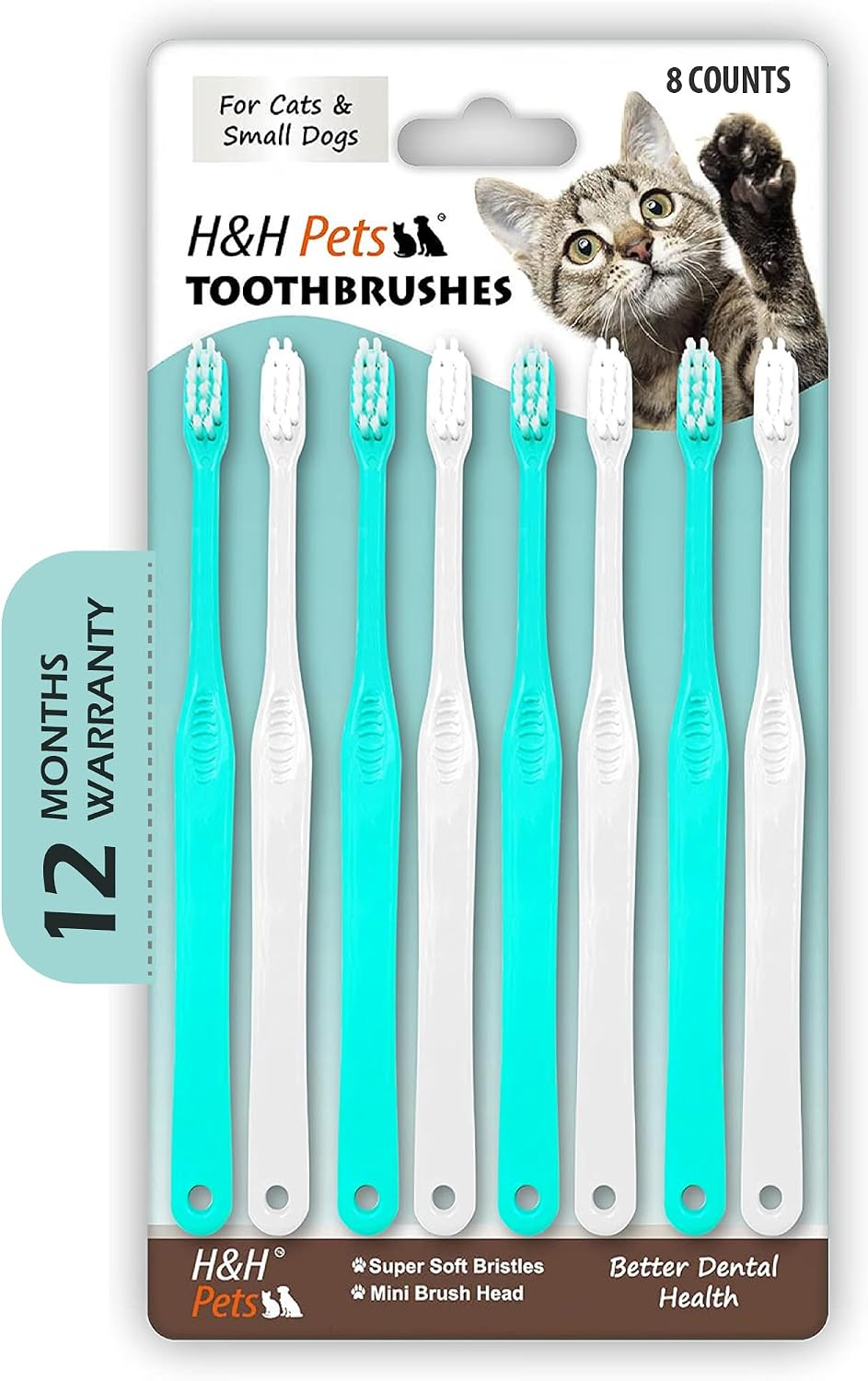
H&H Pets Toothbrush Small 8-Pack
Best Overall Toothbrush
| Pack count | 8 count |
|---|---|
| Bristle type | Ultra-soft |
| Intended use | Cats, puppies, and small breed dogs |
These H&H Pets extra-small toothbrushes are built for tiny mouths and sensitive gums, using human-grade ultra-soft bristles and a compact angled head to reach front and back teeth. In everyday use you hold the brush like a regular toothbrush or slide it gently along the gumline to remove soft plaque and food debris; the flexible bristles are forgiving on thin enamel and tender gums so brushing is less likely to cause discomfort. The small single-head design and two color options make it easy to assign brushes if you have multiple pets, and the eight-pack provides spares while you establish a daily routine. Limitations are that the brush is manual and designed for light, frequent brushing rather than aggressive tartar removal, so heavy calculus will still need professional cleaning. Bristles may wear with months of daily use, but replacement is inexpensive given the pack size. For Yorkies with sensitive gums this brush balances effective gentle cleaning with a size and softness that helps make brushing tolerable and consistent.
Best for: Owners of Yorkies or similarly small-breed dogs who prioritize gentle daily brushing to protect sensitive gums and thin enamel while keeping plaque under control.
Less Ideal for: Owners seeking a toothbrush to remove heavy tartar buildup or those who prefer powered brushes for faster cleaning results.
- Ultra-soft human-grade bristles minimize irritation on sensitive gums
- Extra-small angled head reaches front and back teeth in tiny mouths
- Eight brushes per pack provide replacements and allow one-per-pet
- Flexible bristles help remove plaque without risking gum damage
- Manual brush not intended to remove heavy tartar or replace professional cleaning
- Bristles can wear down with long-term daily use
Verdict: The best overall toothbrush for small dogs, offering an optimal mix of brush head size, bristle softness, handle control, and cleaning effectiveness for everyday dental care.
VVHOMIFE Small Dog Toothbrush
Best Budget Toothbrush

| Brush head size | 0.39 inch |
|---|---|
| Recommended pet size | Under 30 lbs |
| Handle angle | 20° curved |
| Bristle type | Ultra-soft high-density |
This compact VVHOMIFE toothbrush targets small dogs and puppies with a 0.39-inch micro brush head and ultra-soft, high-density bristles that make daily brushing less stressful for sensitive mouths. The 20 degree curved handle helps reach molars and tight spots while a soft rubber back gives extra grip so the brush does not slip during use. It is designed for everyday at-home care and pairs with toothpaste bundles offered by the brand for a complete routine. In practice the tiny head and gentle bristles make short, consistent sessions easier on nervous dogs under 30 pounds, and the ergonomic handle reduces wrist strain for the person brushing. The brush is simple and focused rather than feature-packed, so buyers should not expect electronic action or multiple head sizes in the single tool. If you need a straightforward, low-cost toothbrush that makes regular brushing realistic for small dogs, this delivers that basic, reliable functionality.
Best for: Owners of small dogs or puppies who want an inexpensive, no-frills toothbrush that makes daily at-home brushing comfortable and achievable.
Less Ideal for: People seeking electronic brushes, multiple head options, or a solution for medium and large dogs should look at other products.
- Very small 0.39-inch brush head reaches tight spots in small dog mouths
- Ultra-soft, high-density bristles suitable for sensitive gums
- Ergonomic 20° curved handle improves access to molars
- Soft rubber back provides a non-slip grip during brushing
- Single fixed head with no interchangeable sizes for larger dogs
Verdict: The best budget toothbrush for owners who want an affordable, reliable brush that provides adequate plaque removal and comfortable bristles for regular at-home care.
PETHROOM Pet Toothbrush XS
Best Small-Head Toothbrush

| Head size | 10 × 5 mm |
|---|---|
| Bristle diameter | 0.08 mm |
| Recommended for | Cats, kittens, small dogs |
| Handle | Hexagon ergonomic lightweight |
The PETHROOM Extra-Small (XS) toothbrush is built for precision cleaning in tight mouths. It has a 10 × 5 mm ultra-compact rounded head and 0.08 mm micro PBT bristles that are intentionally very soft, so you can clean back molars and narrow spaces with minimal discomfort to the pet. The hexagon-shaped ergonomic handle is lightweight and gives a secure grip for controlled strokes, and the head shape and angle are tuned to reach tartar along the gumline in smaller mouths. In practice this brush works well for pets that resist larger brushes or have sensitive gums because light pressure is effective with the micro bristles. The brush is not heat-stable so avoid boiling and replace it once bristles fray or the pet chews it. Because the head is very small, brushing takes slightly longer to cover all surfaces compared with a larger brush, but it excels at accessing crowded molars and inner teeth. For owners focused on careful, tooth-by-tooth cleaning of small dogs, this model is a practical, gentle choice.
Best for: Owners of small dogs who need a compact, gentle brush to access back molars and narrow areas and who prioritize comfort during daily or gradual tooth-by-tooth cleaning.
Less Ideal for: People looking for a firmer brush for rapid heavy tartar removal or for large breeds that need broader coverage.
- Ultra-compact 10 × 5 mm rounded head reaches back molars and tight spaces
- Ultra-fine 0.08 mm PBT bristles are very soft for sensitive gums and gradual desensitization
- Ergonomic hexagon handle is lightweight and provides a secure grip for controlled brushing
- Designed head angle and curve help remove tartar along the gumline in small mouths
- Very soft bristles may require slightly longer brushing sessions to remove heavy buildup
- Not suitable for pets that vigorously chew brushes and not heat-resistant
Verdict: The best small-head toothbrush for owners of small dogs who need a compact brush that easily reaches molars and cleans narrow mouths thoroughly.
Ultra Soft Nano Dog Toothbrush Kit
Best Travel Toothbrush

| Item model number | br3 |
|---|---|
| Manufacturer | she'o |
| Date First Available | May 27, 2024 |
This kit supplies three small, soft-headed brushes and a compact clear case designed for small dogs and cats with sensitive mouths. The set includes a three-sided head for simultaneous front/back/side cleaning, a flat nano-bristle head for reaching rear teeth, and a 360 silicone brush for gentle gum care, so you can pick the best shape for a nervous pet. The ultra-soft nano bristles and silicone surfaces are intended to minimize gum irritation and reduce the chances of bleeding compared with stiffer brushes, and the medium-length handle gives reasonable control when working inside a small mouth. The transparent storage box keeps brushes sanitary and compact for bathroom storage. Limitations are that the heads are sized for small breeds only, so they will not be efficient for larger mouths, and the simple plastic handle and compact case are basic compared with higher-end ergonomic or electric options.
Best for: Pet owners with small dogs or cats who prioritize gentle, low-irritation brushing for tender gums and need multiple head shapes to find what their pet tolerates.
Less Ideal for: Owners of medium or large dogs or people seeking an electric toothbrush or more ergonomic, heavy-duty dental tool should look elsewhere.
- Three brush shapes cover different cleaning needs: three-sided, flat nano-bristle, and 360 silicone
- Ultra-soft nano bristles and silicone heads reduce gum irritation for sensitive mouths
- Small heads and medium-length handle suited for small breeds and cats
- Transparent storage case keeps brushes clean and easy to locate
- Brush heads and handle are sized for small breeds only and are not suitable for larger dogs
- Basic plastic handle lacks ergonomic or powered cleaning features
Verdict: The best travel toothbrush for owners who need a portable, easy-to-store brush that keeps a small dog's teeth clean during travel or outings.
petsmile Professional Pet Toothbrush
Best Premium Toothbrush

| Item model number | FF-MS9X-TQWW |
|---|---|
| Department | Pet Supplies |
| Manufacturer | petsmile |
| ASIN | B07Z6JDLKY |
The petsmile Professional Pet Toothbrush is a dual-ended brush that brings a veterinary-style 45° brushing angle to at-home pet care, with a larger head for molars and a smaller head for hard-to-reach spots. Its center and angled rows of soft DuPont nylon bristles are sized to clean below the gum line and polish enamel while remaining gentle on sensitive gums, making it suitable for puppies as well as adult dogs and cats. The ergonomic handle helps maintain a secure grip during two-minute brushing sessions when a pet is squirmy, and the brush is explicitly intended to pair with Petsmile toothpaste for a clinically supported cleaning routine. It is built for daily use and aims to reduce plaque and tartar buildup that can lead to more serious health problems. The brush does not include toothpaste, so expect to purchase the Petsmile toothpaste separately to get the full VOHC-recognized system benefits.
Best for: Pet owners who want a clinic-style, easy-to-use toothbrush and are willing to invest in a premium brushing routine for puppies and adult pets to improve long-term oral health.
Less Ideal for: Owners looking for an all-in-one kit that includes toothpaste or replaceable heads out of the box should consider alternatives that bundle those items.
- Patented 45° angled head targets below the gum line like veterinary cleanings
- Dual-ended design accommodates both large teeth and tight, hard-to-reach spots
- Soft DuPont nylon bristles clean gently, suitable for sensitive gums and puppies
- Ergonomic handle provides a secure grip for steadier brushing sessions
- Toothpaste is sold separately so you must buy the Petsmile paste to complete the recommended system
- Single brush may wear over time and does not list replaceable heads
Verdict: The best premium toothbrush for owners willing to invest in superior build quality, ergonomic handles, and advanced brush features for more comfortable, long-term dental care.
Choosing the Right Dog Toothbrush Small Dog: Key Factors to Consider
Brush Head Size and Shape
A correctly sized head makes brushing effective and less stressful. Small dogs have limited oral space, so a compact, narrow head reduces the risk of gagging and allows access to premolars and molars without forcing the jaw open.
Heads shaped with a tapered tip or an angled neck help reach the back teeth from different angles. Consider single-row heads for focused cleaning of each tooth surface or dual-row designs that cover more surface area in fewer passes. A poor fit increases the chance you will miss plaque or cause discomfort, so prioritize heads designed specifically for small mouths.
Bristle Softness and Arrangement
Bristles need to be soft enough to protect delicate gums but firm enough to remove plaque. For small dogs, very soft nylon bristles or silicone nubs are common because they reduce gum abrasion while still disturbing plaque when used correctly.
Bristle arrangement matters too: denser clusters target flat surfaces while staggered or angled bristles reach between teeth. Some designs mix soft outer bristles with slightly firmer inner tufts to balance comfort and cleaning power. Avoid overly stiff bristles that can damage thin gum tissue in small breeds.
Handle Design and Grip
Good handle design improves control and makes the routine less stressful for both dog and owner. Small toothbrushes should have short, balanced handles that let you work close to the mouth without overreaching. Textured grips or ergonomic contours reduce slipping when a dog moves unexpectedly.
Some handles are angled to maintain a natural wrist position, which helps access the back teeth. Finger-loop or thumb-rest designs can add precision for quick movements. Consider whether you prefer a slim handle for fine control or a slightly wider grip for stability during longer sessions.
Material and Durability
Durable, nonporous materials resist bacteria buildup and survive repeated rinsing. Look for brushes made of medical-grade silicone or BPA-free plastics that do not degrade quickly. Silicone brush heads are soft, flexible, and easy to clean, but they can wear down over time; nylon bristles retain shape longer but may fray.
Check for secure head-to-handle attachments so parts do not separate during use. If a brush is intended to be chewed, it should be explicitly rated for that purpose; otherwise, chewing shortens lifespan and poses an ingestion risk. Prioritize materials that clean easily and maintain structural integrity through regular use.
Ease of Cleaning and Storage
Hygiene is critical for toothbrushes used in the mouth. Brushes that disassemble or have nonporous surfaces are easier to rinse and air-dry. Dishwasher-safe parts or fully waterproof designs simplify cleaning routines and reduce bacteria build-up.
Storage features like caps or cases help keep bristles protected between uses, which is useful if you travel with your dog or store brushes near other grooming items. Consider how quickly a tool dries and whether crevices could trap moisture, which affects long-term cleanliness and safety.
Owner and Dog Comfort
A toothbrush that is comfortable for both the owner and the dog increases the likelihood of consistent brushing. Look for compact, lightweight designs that do not require large hand motions or awkward wrist positions.
Noise, texture, and how the brush feels in the mouth can influence your dog's acceptance. Brushes that allow short, focused sessions and feel familiar to the dog are more likely to become part of a daily routine. Consider whether the design supports quick cleanings rather than long, stressful sessions.
How Often Should I Brush a Small Dog's Teeth?
Daily brushing is ideal for preventing plaque and tartar buildup, though several times per week can still provide meaningful benefit. Small breeds often develop dental disease earlier because their teeth are crowded, so consistent care matters more than for larger dogs.
If daily brushing is not possible, aim for at least three times per week and combine brushing with regular dental chews or rinse products recommended by your veterinarian. Short, frequent sessions are better than occasional long ones because they reduce stress and build a positive routine.
- Daily brushing is best for plaque control.
- Three times per week provides partial protection if daily is impractical.
- Short sessions reduce stress and improve compliance.
What Brush Styles Work Best for Small Mouths?
Finger brushes, angled slim-head brushes, and silicone-tipped options all have advantages for small dogs. Finger brushes offer exceptional control and make it easier to feel and clean each tooth, while angled slim-head handles reach back molars with less jaw movement.
Silicone heads are gentle and often more accepted by nervous dogs, but nylon-bristle slim heads usually provide better plaque removal when used correctly. Choose a style that matches how comfortable you and your dog are with handling the mouth.
- Finger brushes: high control, good for anxious dogs.
- Slim angled brushes: reach back teeth with minimal jaw opening.
- Silicone tips: gentle, easy to clean, and dog-friendly.
How to Introduce Toothbrushing to a Small Dog
Start slowly and pair brushing with positive reinforcement. Let your dog inspect the brush and taste a smear of pet-safe toothpaste before attempting to brush. Work in very short increments: first touch the lips, then the teeth, and progressively increase time as your dog accepts the routine.
Use calm, consistent handling and avoid forcing the mouth open. If your dog resists, try shorter daily sessions rather than infrequent long ones. Over time, most dogs will accept a gentle routine if it is predictable and rewarded.
- Allow inspection and tasting before brushing.
- Progress from lip touches to short tooth passes.
- Reward calm behavior immediately after brushing.
Cleaning and Replacing Your Small Dog's Toothbrush
Rinse the brush thoroughly after each use and allow it to air-dry upright in a clean area. Replace brushes when bristles fray, silicone nubs flatten, or when the head shows visible wear. Regular replacement keeps brushing effective and hygienic.
If the brush is dishwasher-safe or fully waterproof, periodic deep cleaning can help reduce bacteria. Keep spare brushes on hand so you can swap them when it is time to replace a worn unit without interrupting your routine.
- Rinse and air-dry after each use.
- Replace when bristles fray or silicone wears.
- Deep clean periodically if the design allows.
Common Mistakes to Avoid when Brushing Small Dogs
Avoid using a toothbrush that is too large or too stiff for a small mouth, as this causes discomfort and makes effective cleaning difficult. Do not force the mouth open or continue a session if the dog becomes overly stressed; stop and try again later.
Do not use human toothpaste, as ingredients can be unsafe for dogs. Also avoid aggressive scrubbing; gentle, repeated passes remove plaque without harming gums. Finally, do not skip inspecting the mouth for loose teeth or inflammation before brushing.
- Never use human toothpaste on dogs.
- Avoid oversized or stiff brushes for small mouths.
- Stop sessions if the dog becomes distressed.
How We Chose the Best Dog Toothbrush Small Dog
We prioritized features that matter specifically for small dogs rather than generic toothbrush traits. Our evaluation focused on fit and reach, bristle softness and pattern, handle ergonomics, material safety and durability, and ease of cleaning. Fit and reach determined whether a toothbrush can access molars and the back of a small dog's mouth without forcing uncomfortable jaw positions. Bristle softness and pattern were assessed for effective plaque removal while minimizing gum irritation. Handle ergonomics and grip options were weighted heavily because owners often struggle to control small, quick mouths; textured grips, angled heads, and compact sizes reduce hand fatigue and improve control. We also considered material safety and durability to ensure brushes withstand repeated use and cleaning without breaking down. Finally, ease of cleaning and storage matters for hygiene and for getting owners to stick with a routine. We excluded brushes intended for large breeds or multi-head kits that do not include a dedicated small-mouth design. Products that lacked clear safety or construction details were not considered. The resulting shortlist reflects these practical filters and real-world usability concerns for small dogs.
Our full evaluation process is outlined in our review methodology.
FAQ
Can i use a finger brush instead of a regular toothbrush for my small dog?
Yes. Finger brushes provide excellent control for small mouths and can be less intimidating for nervous dogs. They are best for short, focused cleaning and for owners who prefer tactile feedback, though they may not cover as much surface area as a dedicated slim-head toothbrush.
How do i know if my dog's toothbrush head is the right size?
The right head fits comfortably inside the mouth without forcing the jaw wide open and allows access to the back teeth with minimal repositioning. If you cannot reach the molars without significant jaw movement, try a smaller or angled head designed for compact mouths.
How long does a dog toothbrush typically last?
Lifespan depends on material and frequency of use. Nylon-bristle brushes usually keep shape longer but should be replaced when bristles fray; silicone heads may wear down faster. Inspect the brush regularly and replace it when wear affects cleaning performance.
Is a softer bristle always better for a small dog?
Softer bristles reduce the risk of gum abrasion and are generally recommended for small dogs with delicate gums. However, overly soft bristles may not remove plaque effectively. Look for a balance of softness and adequate cleaning action, and adjust technique rather than applying extra force.
Can brushing prevent dental disease in small breeds?
Regular brushing reduces plaque accumulation and helps slow tartar formation, which lowers the risk of dental disease. It does not guarantee prevention, and regular veterinary dental checkups are still important, especially for small breeds that are prone to early dental issues.
Final Verdict
Prioritize a toothbrush that fits your dog's mouth, has soft yet effective bristles, and keeps handling comfortable for you. For small dogs, compact heads, ergonomic handles, and easy-to-clean materials matter more than novelty features. Balance comfort and cleaning power, start with short, frequent sessions, and replace brushes when wear reduces effectiveness. Focusing on these tradeoffs will make daily brushing more practical and more likely to stick, giving the best chance of long-term oral health for a small dog.

