

Finding the right treats for a Siberian husky puppy matters more than you might expect. Treats are tools for training, bonding, and rewarding good behavior, and the wrong choice can lead to digestive upset or reinforce unwanted habits. In this guide we shortlist seven top options that balance nutrition, texture, and training utility specifically for Siberian husky puppies. You will find picks that favor higher protein, manageable calorie counts, and textures suited to a working-breed puppy's chewing style. Below we explain the evaluation criteria and what to expect from the shortlisted treats before the product summaries.
Top Picks at a Glance
| Best Overall Treat A well-rounded choice that suits most Siberian Husky puppies | Pupford Soft & Chewy Training Treats 5 oz |  |
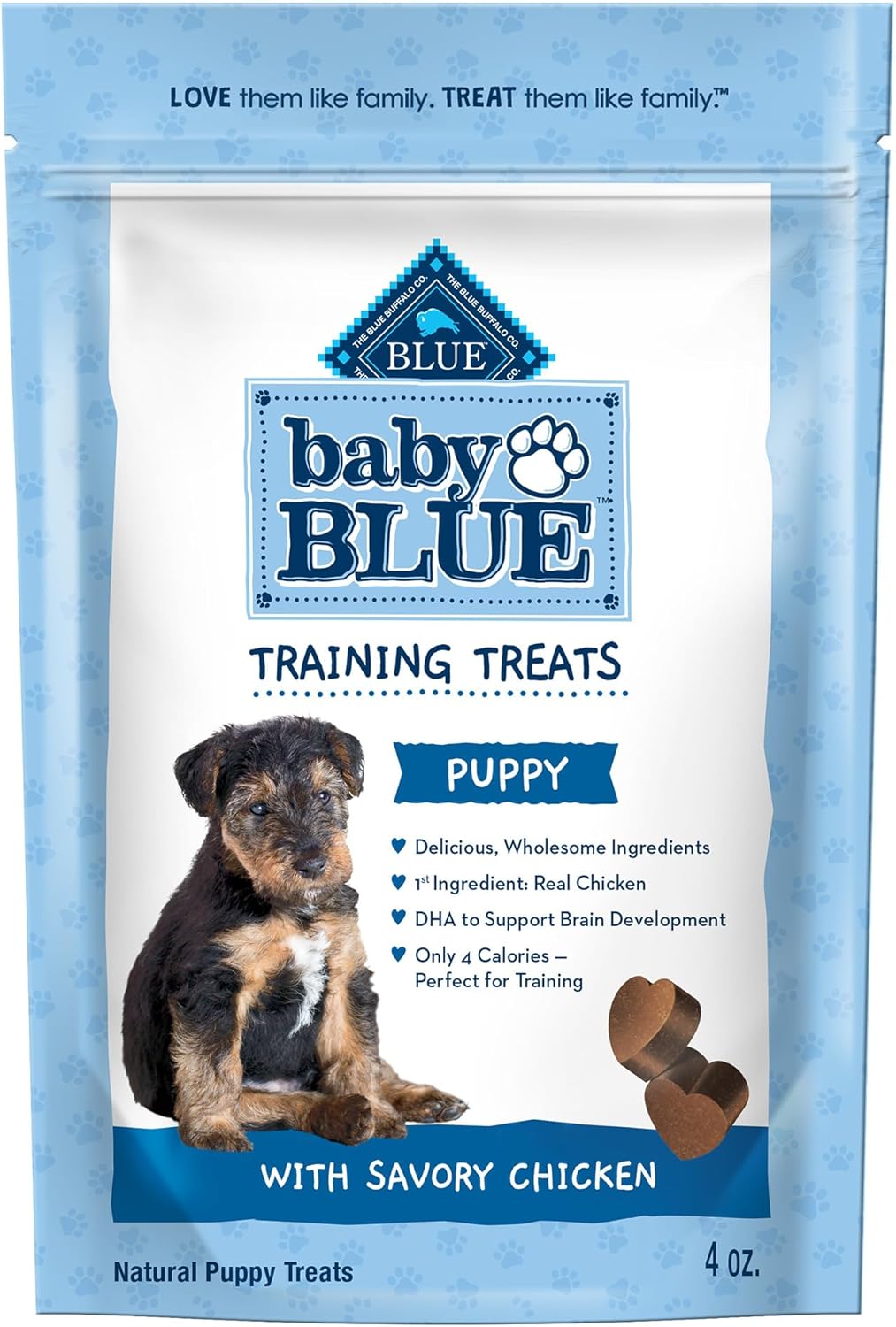
| Best Budget Treat An affordable option that still offers decent nutrition and palatability | Blue Buffalo Baby BLUE Training Treats 4 oz |  |
| Best Training Treat Small, low-calorie bites made for frequent reward-based training sessions | Zuke's Mini Naturals Chicken 16 oz |  |
| Best Soft Treat Gentle, chewy treats that are easy for young teeth and jaws | Bil-Jac Little-Jacs Soft Training Treats 16oz |  |
| Best High-Protein Treat Protein-focused treats to support growth and active metabolism | Vital Essentials Beef Liver Treats 2.1 oz |  |
| Best Grain-Free Treat Treats without grains for owners avoiding fillers or sensitivities | Blue Buffalo Wilderness Wild Bits Salmon 10 oz |  |
| Best Premium Treat A higher-end option with superior ingredients and careful sourcing | Pupford Freeze Dried Training Treats Salmon 4 oz |  |
Pupford Soft & Chewy Training Treats 5 oz
Best Overall Treat

| Flavor | Chicken |
|---|---|
| Item Form | Bite-Sized Treat |
| Unit Count | 5 Ounce |
| Special Ingredients | Chicken, Sweet Potato |
| Animal Food Diet Type | Limited Ingredient |
Pupford Soft & Chewy Training Treats are bite-sized, chicken-flavored rewards designed for frequent use during training and enrichment. The treats come in a small pouch and have a soft, chewy texture that makes them easy to break into pieces or feed whole to young pups and dogs with sensitive teeth. Each treat is made from a short ingredient list that includes chicken and sweet potato and is free from artificial colors and fillers, which supports use with dogs that benefit from limited-ingredient snacks. With under 2 kcal per treat and a high protein claim, these are useful for extended training sessions without adding excess calories. They are intended for one-bite rewards, which helps keep sessions moving and reduces crumb mess. Limitations: the pouch is a 5 ounce size, so power users or trainers who reward very frequently may need to buy multiple packs, and the product information does not list guaranteed analysis values beyond general claims so buyers with strict allergy concerns should check ingredients closely.
Best for: Puppy owners and trainers seeking a soft, hypoallergenic-style reward for teething pups or dogs with sensitive mouths who need frequent, low-calorie treats during sessions.
Less Ideal for: Households that reward constantly or train multiple dogs at once and need bulk quantities or complete nutrient breakdowns for strict medical diets.
- Soft, easily chewable texture suitable for teething puppies and senior dogs
- Limited ingredient recipe focused on chicken and sweet potato, reducing exposure to fillers
- Low calorie per treat (<2 kcal) for frequent rewarding without weight gain
- Bite-sized pieces that minimize crumbs and keep training sessions fast
- Small 5 oz pouch may be insufficient for heavy trainers or multi-dog households
- Nutrient details are summarized by claims rather than full guaranteed analysis on the listing
Verdict: The best overall treat balances flavor, appropriate puppy-safe ingredients, size and texture for easy feeding, and consistent appeal to most Siberian Husky puppies.
Blue Buffalo Baby BLUE Training Treats 4 oz
Best Budget Treat
| Flavor | Chicken |
|---|---|
| Age Range Description | Puppy |
| Item Form | Semi Moist |
| Unit Count | 4 Ounce |
| Allergen Information | Corn-Free, Soy Free, Wheat Free |
These Baby BLUE Savory Chicken training treats are soft, bite-sized morsels designed for puppy training and intermittent rewards. Made with real chicken as the first ingredient and a semi-moist texture, they are easy to break or feed quickly during multi-step training sessions. The formula includes DHA for cognitive development and omega fatty acids to support skin and coat, while LifeSource-inspired nutrients and no corn, wheat, or soy aim to reduce common allergens. In practice the treats are highly palatable to most puppies and the small pieces minimize interruptions during repetitious drills. The 4-ounce bag is convenient for short outings or a training class, but frequent trainers may find the pack small and need to replenish often. Nutritional specs show modest protein and fat levels appropriate for treats rather than meal replacement, so they work best as rewards rather than primary food. Overall these treats balance taste and puppy-friendly texture, though the small package size limits how long one bag lasts for heavy training schedules.
Best for: Puppy owners focused on efficient, frequent reward-based training who want a tasty, soft treat that is easy to portion and gentle on young digestive systems.
Less Ideal for: People who run long, intensive daily training sessions or need bulk packaging for many repetitions should consider larger multi-pack options.
- Real chicken listed as the first ingredient for strong palatability
- Soft, semi-moist texture is easy to break and quick to deliver during training
- Includes DHA and omega fatty acids to support cognitive development and skin and coat
- Free of corn, wheat, soy and artificial colors or preservatives
- Small 4-oz bag may not be economical for heavy daily trainers
- Treat nutrient levels are modest so they should not replace regular food
Verdict: The best budget treat provides good taste and acceptable ingredient quality at a lower price, ideal for owners who need economical rewards for frequent training.
Zuke's Mini Naturals Chicken 16 oz
Best Training Treat

| Flavor | Chicken |
|---|---|
| Unit Count | 16 Ounce |
| Item Form | Bites, Bits, Tender, Soft |
| Specific Uses For Product | Training |
| Allergen Information | Allergen-Free |
Zuke's Mini Naturals Chicken are bite-sized, soft training treats intended for frequent rewards during sessions or short outings. Each treat is low in calories (about 2 calories per piece) and made with real chicken plus fruits and vegetables, which makes them appealing to most puppies and easy to break or carry on long walks. The soft texture and small size let trainers give rapid reinforcement without interrupting flow, and the resealable pouch preserves freshness for on-the-go use. Formulated without corn, wheat, or soy and fortified with added vitamins and minerals, these treats double as a lightweight snack between lessons. Limitations include a simple ingredients list that contains glycerin and cane sugar, so owners managing strict low-sugar or specialized medical diets should consult their vet before regular use. Also the bag is a single 16 ounce size which may be large if you prefer smaller trial packs. For standard puppy training where frequent, desirable rewards are the priority, these treats are a practical choice.
Best for: Puppy owners and trainers who need a highly rewarding, low-calorie treat to use repeatedly during short training sessions and outings.
Less Ideal for: People managing veterinary-prescribed diets that restrict sugars or specific ingredients, or owners who prefer trial-size or single-serve packaging.
- Very small, soft bites suited for frequent training rewards
- Low calorie per treat (about 2 calories) so you can reward often
- Made with real chicken plus fruits and vegetables
- Resealable pouch for freshness and easy portability
- Contains cane sugar and glycerin which may be undesirable for strict low-sugar diets
- Only sold in a single 16 oz bag size which may be more than needed for some puppy owners
Verdict: The best training treat is small, soft or easily breakable, and low in calories so owners can reward Siberian Husky puppies frequently without overfeeding.
Bil-Jac Little-Jacs Soft Training Treats 16oz
Best Soft Treat

| Flavor | Liver |
|---|---|
| Unit Count | 16 Ounce |
| Item Form | Chunk |
| Calorie Count | < 3 kcals / treat |
Bil-Jac Little-Jacs are soft, bite-sized liver treats designed specifically for training and frequent rewarding. Packaged in a 16-ounce bag, each morsel is made with real chicken liver as the primary ingredient and contains under 3 calories per treat, which makes them suitable for repeated use during short training sessions. The soft, chewy texture resists crumbling in a pocket and is easy for puppies, seniors, or dogs with sensitive teeth to chew. They are marketed as limited-ingredient, with no poultry by-product meals and added preservatives for shelf stability, so they hold up through multiple training sessions without becoming messy. The strong liver aroma and flavor make them highly motivating for many dogs, though dogs with dietary sensitivities to the listed preservatives or grains should be checked against the ingredient list. The bag format gives plenty of treats for longer courses of training, but portion control is still needed to avoid overfeeding across the day. Overall these treats excel as a moist, low-calorie training reward for dogs that need an easy-to-chew option.
Best for: Dog owners running frequent short training sessions who need a moist, highly palatable reward that is easy for puppies, seniors, or dogs with sensitive teeth to eat.
Less Ideal for: Owners seeking a preservative-free or grain-free treat option for dogs with specific food allergies should look for specialized formulations instead.
- Very low calorie per treat for frequent rewarding (<3 kcals)
- Soft, moist texture that is easy for puppies and senior dogs to chew
- Real chicken liver listed as the first ingredient for strong palatability
- Bagged 16 oz size provides a large supply for extended training sessions
- Contains preservatives and grain ingredients that may not suit dogs with specific allergies
- Strong liver aroma may be too intense for some handlers to carry in pockets
Verdict: The best soft treat is formulated with a tender texture and puppy-friendly ingredients to be gentle on developing teeth and simple to chew and swallow.
Vital Essentials Beef Liver Treats 2.1 oz
Best High-Protein Treat

| Item Form | Freeze Dried |
|---|---|
| Flavor | Beef |
| Special Ingredients | 100% Raw Freeze Dried Beef |
| Unit Count | 2.1 Ounce |
| Allergen Information | Grain-Free, Corn-Free, Gluten Free, Soy Free, Wheat Free |
These bite-sized freeze-dried beef liver treats deliver strong aroma and concentrated meat flavor that keeps dogs focused during training sessions. Each piece is made from 100% beef liver with no fillers or artificial additives, making them an easy single-ingredient reward for dogs with sensitivities. The freeze-drying process preserves nutrients and creates a lightweight, shelf-stable snack that is simple to carry and portion into multiple tiny rewards during repetition-heavy sessions. Because they are dense in protein and low in calories per piece, you can reward frequently without overfeeding, and the texture provides enough interest for picky eaters. Limitations include the small 2.1 ounce bag size, which may run out fast for heavy trainers, and the strong smell that some owners may find intense when opened. These treats are best used as high-value training rewards, meal toppers for picky dogs, or short-session incentives.
Best for: Trainers and pet owners who need a reliably enticing, single-ingredient reward for repeated short training intervals or to motivate picky eaters.
Less Ideal for: People who give large-volume treats during long training sessions, those who prefer low-odor rewards, or households needing bulk quantities for multiple dogs.
- Single-ingredient formula (100% beef liver) suitable for dogs with food sensitivities
- Freeze-dried to retain aroma, flavor, and nutrients for strong training appeal
- Small, bite-sized pieces that are easy to portion for frequent reinforcement
- Shelf-stable and lightweight for easy storage and on-the-go training
- Small 2.1 oz bag may be insufficient for frequent trainers or multi-dog households
- Very strong aroma that can be off-putting to some owners
Verdict: The best high-protein treat delivers a higher proportion of quality animal protein to support muscle development and energy needs of growing Siberian Husky puppies.
Blue Buffalo Wilderness Wild Bits Salmon 10 oz
Best Grain-Free Treat

| Flavor | Salmon |
|---|---|
| Item Form | Pellet |
| Special Ingredients | grain-free |
| Unit Count | 10 Ounce |
| Age Range Description | All Life Stages |
These Blue Buffalo Wilderness Wild Bits are soft-moist, grain-free salmon treats designed for training and everyday rewards. Real deboned salmon is listed first and the recipe includes omega-rich ingredients like flaxseed and DHA to support skin, coat, and cognitive development, while tapioca and potatoes serve as alternative carbohydrate sources. The pellet form and soft texture make them easy to break into smaller pieces for frequent reinforcement or for puppies that need gentler chewing. They are intended for intermittent or supplemental feeding only and are not a complete diet, so you should account for treats in daily calorie limits. Ingredients list includes natural flavors and glycerin for moisture, and the product avoids corn, wheat, soy, and poultry by-product meals, which helps if you are avoiding common grains or poultry by-products. Packaging is a 10-ounce bag that fits easily in a pantry but may not be ideal for very large households who go through treats quickly. For a grain-sensitive Siberian Husky puppy, these offer a high-protein, easy-to-chew option that supports training without common grains, but monitor portions to keep overall nutrition balanced.
Best for: Pet owners seeking a grain-free, higher-protein training treat for a puppy with grain sensitivities or for owners who prefer non-grain ingredients for daily rewards.
Less Ideal for: Households that need bulk quantities of treats or owners looking for a complete meal replacement rather than a supplemental snack.
- Real deboned salmon is the first ingredient for strong animal protein content.
- Grain-free formula uses tapioca and potatoes as alternative carbohydrate sources.
- Soft-moist pellet texture is easy to break for training and suitable for puppies.
- Includes DHA and omega fatty acids to support cognitive development and skin and coat health.
- Sold in a single 10 oz bag which may be small for high-volume treat users.
- Intended only for supplemental feeding and not a complete nutritional source.
Verdict: The best grain-free treat is formulated without common grains and focuses on alternative carbohydrate sources or higher protein content for puppies with grain sensitivities or owner preferences.
Pupford Freeze Dried Training Treats Salmon 4 oz
Best Premium Treat

| Flavor | Salmon |
|---|---|
| Item Form | Granule |
| Unit Count | 4 Ounce |
| Animal Food Diet Type | Limited Ingredient |
| Ingredients | Salmon, Mixed Tocopherols |
These Pupford freeze-dried salmon treats are concentrated, single-ingredient bites designed for training and everyday rewards. They are lightweight, low-calorie granules made from salmon with mixed tocopherols as a natural antioxidant, which makes them easy to portion for frequent reinforcement and convenient to carry during walks or training sessions. The freeze-dried format keeps them shelf-stable and mess free, so pockets and training pouches stay clean and salmon scent is present but not greasy. Because they are limited-ingredient and labeled suitable for all life stages, they work well for sensitive stomachs or pups on restricted diets, and the small size lets you deliver many repetitions without overfeeding. The primary limitations are the small pouch size for frequent use with highly food-motivated breeds and the single-flavor format which might wear on dogs that need stronger variation; owners seeking larger bulk packs or mixed-ingredient, softer textures should look elsewhere. For nutritional-minded owners who want a simple, high-protein training reward, these deliver practical, no-fuss performance.
Best for: Owners prioritizing high-quality, simple-ingredient, nutrition-forward treats for focused training and for puppies that may need limited-ingredient options.
Less Ideal for: People who want large bulk quantities, multi-flavor variety, or soft chews for senior dogs with dental issues should consider other options.
- Single-ingredient salmon formula suitable for limited-ingredient diets
- Freeze-dried granules are low calorie and easy to portion for repeated rewards
- Mess-free, non-greasy texture that is convenient to carry in pockets or training pouches
- Suitable for all life stages and described as good for sensitive stomachs
- Small 4 oz pouch may run out quickly during intensive training or for multi-dog households
- Only one flavor option in this listing may not sustain interest for highly picky pups
Verdict: The best premium treat uses higher-quality, often single-source or human-grade ingredients and stricter manufacturing standards for owners who prioritize top-tier nutrition and sourcing.
Choosing the Right Treat Siberian Husky Puppy: Key Factors to Consider
Nutritional Profile and Protein Source
Growing husky puppies need concentrated, quality protein to support muscle development and energy. Look for treats that list a named animal protein high on the ingredient list and avoid treats relying primarily on grains or vague meat byproducts. Adequate protein also helps treats feel satisfying so puppies do not overeat.
Beyond crude protein numbers, check for complementary nutrients such as omega fatty acids and amino acids that support coat and joint development. Treats should supplement, not replace, a balanced puppy diet, so avoid designs that could unbalance daily nutrition when used frequently.
Calorie Control and Portioning
Husky puppies are active and grow quickly, so calorie management matters. Treats used frequently during training can add up fast; choose low-calorie bites or varieties that can be broken into several pieces to stretch a single treat. Look for clear calorie information per piece and prefer treats designed for training that emphasize small serving sizes.
Consider how treat calories fit into your puppy's daily allowance. Frequent short training sessions benefit from very small, low-calorie rewards to avoid affecting growth or weight trajectories.
Texture and Chew Time
Texture influences how long a puppy spends chewing and how motivated they are to work for a treat. Soft, easily breakable treats are best for fast training iterations where you need immediate reward and return to work. Firmer, longer-lasting chews are better for enrichment or calm-down periods but are not ideal for high-repetition training exercises.
Also consider dental safety: treats should not be so hard they risk cracking teeth, especially in teething puppies. Choose textures matched to the intended use—quick, soft bites for training; slightly firmer treats for supervised chewing sessions.
Ingredient Simplicity and Digestibility
Puppies can be prone to digestive upset, and husky puppies sometimes have sensitive stomachs. Treats with shorter, transparent ingredient lists and fewer additives are easier to assess for potential irritants. Avoid treats that contain excessive artificial colors, flavors, or preservatives if your puppy has shown sensitivity in the past.
Hypoallergenic or limited-ingredient options can be useful for eliminating reactions during early feeding trials. When trying a new treat, introduce it in small amounts and observe stool quality and overall comfort.
Palatability and Training Motivation
A treat's ability to motivate is critical during training. Palatability combines flavor, aroma, and texture. Strong-smelling, high-protein treats often work well to capture attention and encourage rapid responses from a husky puppy. However, extremely rich treats should be reserved for high-value moments to avoid overreliance.
Rotate a few favored flavors to maintain interest over time, and match treat value to the task: use ultra-appealing bites for difficult behaviors and lower-value options for routine reinforcement.
Safety, Size, and Choking Risk
Treat size should fit the puppy's mouth to prevent choking and allow quick consumption. Many training treats are intentionally small or breakable. Avoid irregular, hard shapes with sharp edges that could present a hazard. Supervised use is essential for chews marketed as longer-lasting since inappropriate use can create safety issues.
Packaging that clearly indicates recommended sizes or age suitability helps make safer choices for a puppy's developmental stage.
How Often Should I Use Treats During Training Sessions?
Use many small rewards rather than a few large ones when teaching new behaviors. Short, frequent sessions with immediate reinforcement help a puppy link actions to outcomes without overfeeding.
Start with a high reward rate for new commands, then gradually fade to intermittent reinforcement as the puppy masters the behavior. For repetitive practice, opt for low-calorie pieces so you can reward dozens of repetitions in a single session without adding excessive calories.
- Use tiny pieces for high-repetition drills
- Reserve higher-value bites for difficult skills
- Aim for multiple brief sessions daily instead of one long session
What Treats Are Safest During the Teething Phase?
During teething, puppies benefit from softer chewables and chilled treats that soothe gums. Avoid very hard chews that can crack developing teeth. Soft training treats and refrigerated soft chews provide comfort without heavy chewing effort.
Also monitor for increased swallowing of softened treats. Choose options with stable texture that do not turn into large, fibrous pieces that could be swallowed whole.
- Prefer soft, flexible textures during teething
- Use chilled treats for gum relief
- Avoid rigid or brittle chew forms
Can Treats Support Early Socialization and Behavior Shaping?
Yes. Treats are excellent tools for positive reinforcement during exposure to new people, sounds, or environments. Use small, highly palatable bites to reward calm behavior and quick, focused attention during socialization exercises.
For behavior shaping, break complex tasks into tiny steps and reward each approximation. High-frequency reinforcement accelerates learning, so choose treats suitable for rapid delivery without interrupting the flow of training.
- Match treat value to the difficulty of the task
- Use consistent timing to reinforce desired responses
- Carry treats in an accessible container for spontaneous training
How to Adjust Treats for Calorie Management
Track treat calories alongside your puppy's regular food and adjust meal portions if necessary to keep total daily calories appropriate for growth. Substitute lower-calorie treat pieces or use portions of their regular kibble for routine reinforcement to reduce extra calories.
If a treat is higher in calories, reserve it for special occasions or use it sparingly as a high-value reward rather than as an everyday training staple.
- Weigh or count treat pieces to estimate calories
- Use kibble or dehydrated meat slices as lower-calorie alternatives
- Cut larger treats into several smaller pieces for portion control
Storing and Handling Treats for Freshness and Safety
Keep treats in airtight containers to maintain texture and aroma. Follow manufacturer guidance on refrigeration for perishable or refrigerated products and discard treats past their best-by date to avoid spoilage.
Store treats out of reach of unsupervised puppies to prevent accidental overeating. When using single-serve or resealable packaging, reseal immediately after use to limit exposure to air and humidity.
- Airtight storage helps preserve texture for training
- Observe best-by dates and discard stale treats
- Keep treats secured to prevent free access by pets
How We Chose the Best Treat Siberian Husky Puppy
We selected treats based on criteria that matter for growing Siberian husky puppies. First, nutritional profile: we prioritized treats with high-quality animal protein listed near the top of the ingredient panel and limited fillers that contribute empty calories. Second, digestibility: because husky puppies can be sensitive, we looked for simple ingredient lists and avoidant formulations for common irritants. Third, size and texture: treats had to be available in bite-sized pieces or easily broken into small portions for frequent training rewards without excessive chewing time. Fourth, caloric density: we favored lower-calorie options or those clearly sized for portion control so treats can be used frequently without disrupting growth rates. Fifth, palatability and aroma: puppies must want the treat, so we considered typical flavors and textures that encourage quick responses during training. Sixth, safety and handling: we considered treats with consistent texture and low choking risk for puppies. We excluded products with long lists of unidentified meat byproducts, excessive artificial additives, or formulations not intended for puppies. The final selection reflects a balance of nutrition, training utility, and puppy-safe design.
Our full evaluation process is outlined in our review methodology.
FAQ
How many treats can a Siberian husky puppy have each day?
It depends on the calorie content of the treats and your puppy's daily food allowance. As a rule, keep treats to a small percentage of total daily calories and use very small pieces for training so you can reward frequently without disrupting growth.
Are soft treats better than crunchy treats for training?
Soft treats are typically better for fast-paced training because they can be eaten quickly and returned to the task. Crunchy treats are useful for enrichment but slow down repetition and may not be ideal during intensive sessions.
How do I introduce a new treat without upsetting my puppy's stomach?
Introduce new treats gradually and in small amounts while monitoring stool quality and appetite. If you notice digestive changes, pause and try a limited-ingredient option or consult your veterinarian before continuing.
What should I do if my puppy refuses a treat during training?
Try a more motivating flavor or break the treat into smaller, more enticing pieces. You can also increase the reward value temporarily for challenging behaviors and then phase it back down as the puppy improves.
Can I use human food as training treats for a husky puppy?
Some plain, unseasoned human foods can work in small amounts, but many are unsafe for puppies. Avoid salted, sugared, or spiced items and choose simple, lean items that match the puppy's digestive tolerance. When in doubt, use treats formulated for puppies.
When should I stop using small training treats?
You can begin reducing treat frequency once behaviors are reliably performed on cue, shifting to intermittent rewards and praise. Treats remain useful for occasional reinforcement, maintenance, or high-value situations.
Final Verdict
Prioritize treats that balance quality protein, manageable calories, and a texture suited to the training task. For a Siberian husky puppy, small, high-protein, easily consumable bites will let you reward behavior frequently without disrupting growth or dentition. Be mindful of ingredient simplicity and portion control, and reserve higher-value or richer treats for difficult training moments. With these priorities, you can choose treats that support consistent training, healthy development, and a motivated, well-adjusted puppy.

